
Visiting Hawai'i Volcanoes National Park: Tips for a Great Day
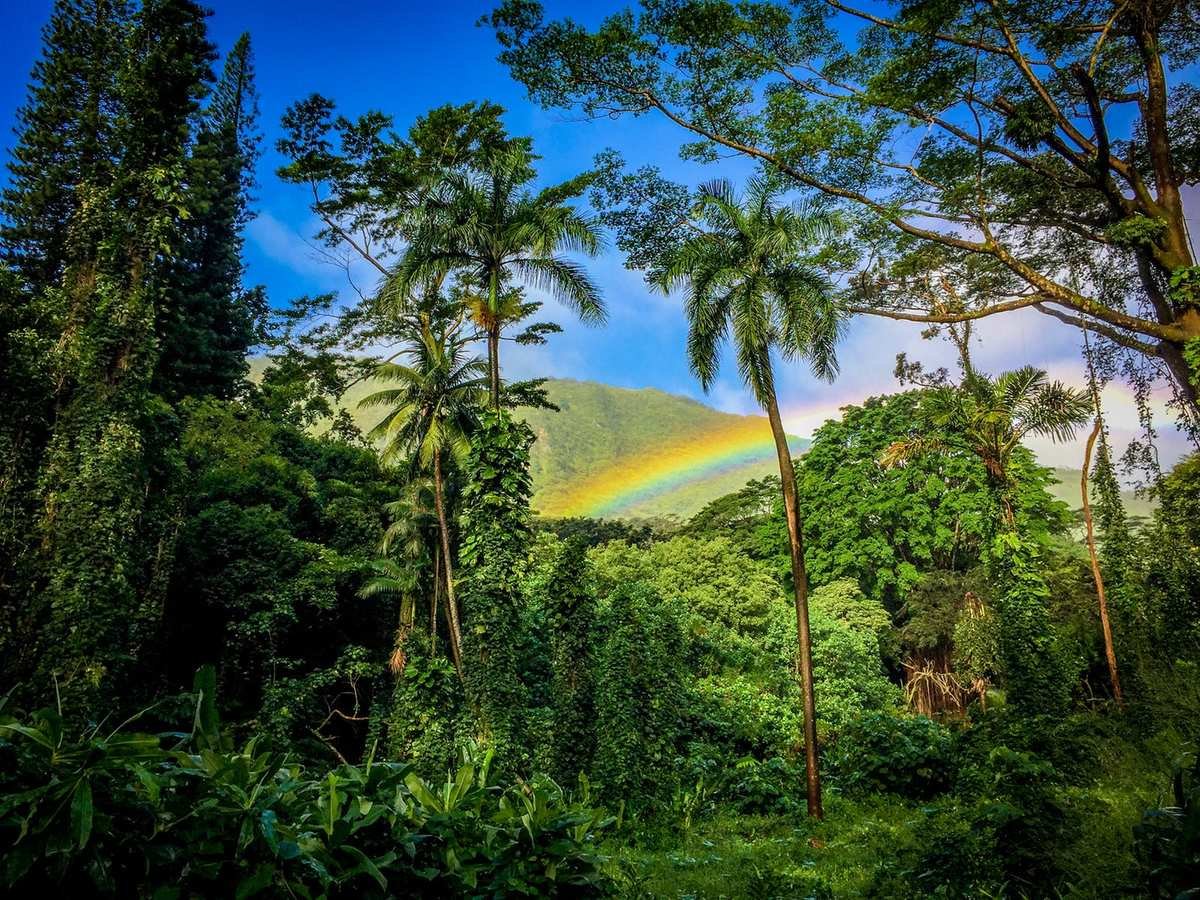
On the Big Island – officially Hawai'i Island – you can stand at the edge of one of the most active volcanoes on Earth. Hawai'i Volcanoes National Park protects Kilauea and Mauna Loa, two of the volcanoes that are still building the island today. The park is a place of steaming craters, vast lava fields, rainforest and deep cultural meaning for Native Hawaiians. It is also a place where conditions change, so a little preparation goes a long way.
About the Park
Hawai'i Volcanoes National Park was established in 1916 and is recognized as a UNESCO World Heritage Site. It covers a huge area, from the high slopes of Mauna Loa down to the sea. The main visitor area is around the summit of Kilauea, roughly 45 minutes' drive from Hilo and considerably longer from the Kona side of the island.
For Native Hawaiians, this is the home of Pele, the goddess of volcanoes and fire. Many places in the park are sacred, and visitors are asked to treat them with respect.
Check Current Conditions Before You Go
The single most important tip is to check conditions on the day you visit. Volcanic activity changes over weeks, days and even hours.
- Eruption status: Kilauea has erupted many times within its summit area in recent years, with periods of activity and quiet. Mauna Loa, the world's largest active volcano, erupted in late 2022 for the first time since 1984. The USGS Hawaiian Volcano Observatory posts updates on current activity.
- Park alerts: the National Park Service website lists open and closed roads, trails and viewing areas. Closures can happen with little notice.
- Volcanic gas (vog): sulfur dioxide and other gases can affect air quality. People with heart or breathing problems, pregnant women, infants and young children should take extra care and follow park guidance.
What to See
Kilauea's Summit
Overlooks around the rim of Kilauea's summit caldera look down into Halema'uma'u crater, the traditional home of Pele. The summit changed dramatically during the 2018 eruption, when parts of the caldera floor collapsed. When lava is active, the glow after dark can be spectacular.
Steam Vents and Sulphur Banks
Near the summit, rainwater seeps down to hot rock and returns as steam, rising from cracks in the ground. Nearby, mineral deposits stain the ground yellow and orange. Stay on marked paths; the ground can be unstable and hot.
Lava Tubes and Rainforest
Lava tubes form when the outer surface of a lava flow cools and hardens while molten lava keeps flowing inside. A walk through the park's well-known lava tube, surrounded by lush native rainforest, shows a completely different side of the volcano.
Kilauea Iki
The Kilauea Iki trail descends through rainforest onto the floor of a crater that was a lake of lava in 1959. Walking across the cracked, steaming crater floor is unforgettable. Allow several hours and bring water.
Chain of Craters Road
This scenic road winds down from the summit past a series of pit craters and across old lava flows to the coast, where waves crash against sea cliffs. Check whether the road is open before planning a drive.
What to Wear and Bring
- Layers. The summit area is about 4,000 feet above sea level, so it is often much cooler than the coast, and it can be rainy and windy. A warm layer and a rain jacket are essential.
- Sturdy closed-toe shoes. Lava rock is sharp and uneven.
- Water and snacks. Services inside the park are limited.
- Sun protection. At lower elevations, the lava fields are hot and exposed.
- A flashlight if you plan to stay for the evening glow.
Our general day tour packing list covers the rest.
Safety and Respect
- Stay on marked trails and behind barriers. Crater edges can collapse, and earth cracks may be deeper than they look.
- Follow every closure. Closed areas are closed for good reasons, usually gas, unstable ground or volcanic activity.
- Don't take lava rocks. Removing rocks or other natural features from a national park is prohibited, and many people in Hawai'i consider it deeply disrespectful.
- Leave offerings and cultural sites undisturbed.
- Drones are prohibited in national parks.
Getting There from O'ahu
If you are staying on O'ahu, the Big Island is a short flight away. Inter-island flights from Honolulu to Hilo or Kona take under an hour. Hilo is the closer airport for the park, roughly 45 minutes' drive away, while the drive from Kona takes considerably longer. Many visitors spend at least one night on the Big Island so they can explore without rushing.
Best Time of Day
Arrive early for cooler temperatures, easier parking and quieter viewpoints. If lava is active, the glow is most dramatic after sunset, so some visitors return to the summit overlooks in the evening. Weather at the summit can change quickly from sunshine to mist and rain, so be ready for both.
Combine the Park with More of the Big Island
The park sits on the southeastern side of the island, so it pairs naturally with other nearby sights. The town of Hilo and the waterfalls of the Hamakua Coast lie to the north, while the black sand beaches and windswept cliffs of Ka Lae, or South Point, lie to the southwest. Our Hamakua Coast jeep tour and South Point Adventure Tour cover these areas.
How Much Time Do You Need?
You can see the main summit viewpoints in a few hours, but a full day lets you add a hike, a lava tube and the drive toward the coast. If you are staying on the Kona side, remember to factor in the long drive each way. A guided day tour removes the driving and planning, so you can focus on the landscape.
Explore the Park with The Real Hawai'i
Our Volcanoes National Park Tour is a private, custom day on the Big Island with hotel pickup at 7 a.m., about seven hours of exploring and room for 4 adults and 1 child in the Jeep. We'll explore incredible landscapes, unique plants and wildlife and see what's happening with the volcano, while sharing the area's Hawaiian history and culture. You can also combine your visit with the South Point Adventure Tour or the Hamakua Coast jeep tour. See all of our Big Island tours.
Curious how the islands formed in the first place? Read Meet the Hawaiian Islands.